
Addressing maternal & reproductive health inequities, from preconception to aging
California Black Women's Health Project (CABWHP) addresses institutional and structural racism impacting the maternal well-being of Black women, babies and families throughout the birthing journey and beyond. CABWHP invests in pro-Black maternal and reproductive health policies, strengthening the capacity of birth workers, education and resources for families and improving the cultural competency of health systems and public health agencies. We are committed to advocating for policies that address implicit racial bias and expand opportunities for Black Birth workers to meet the needs of Black women, babies and families.
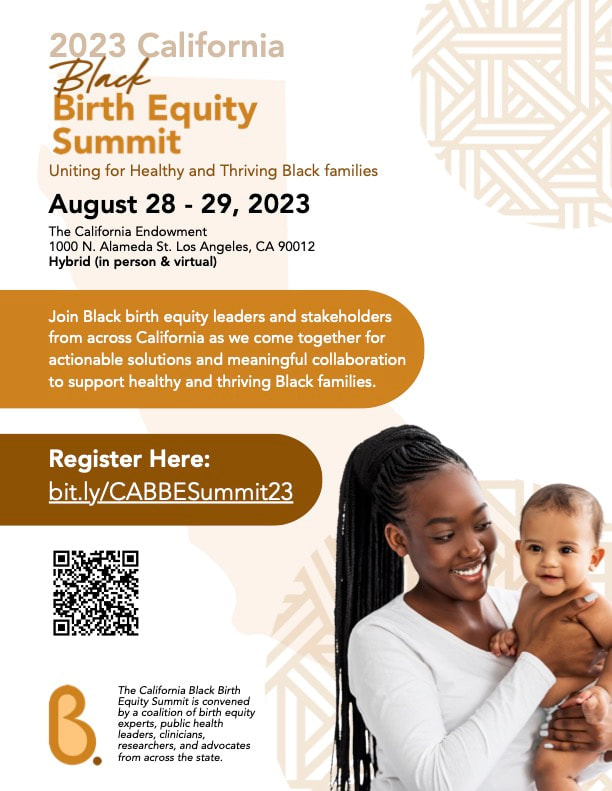
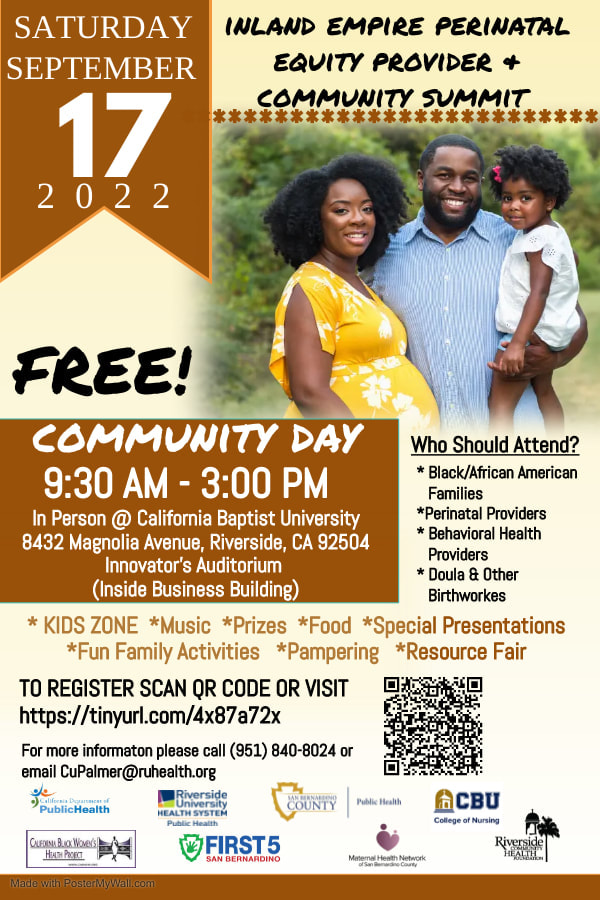
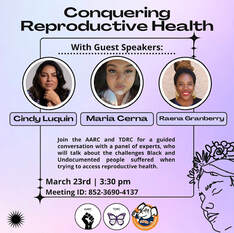
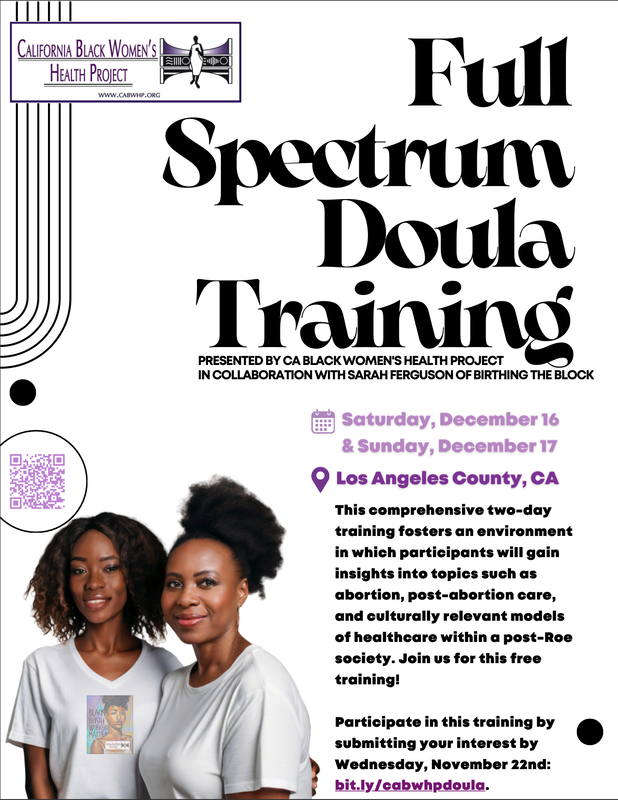
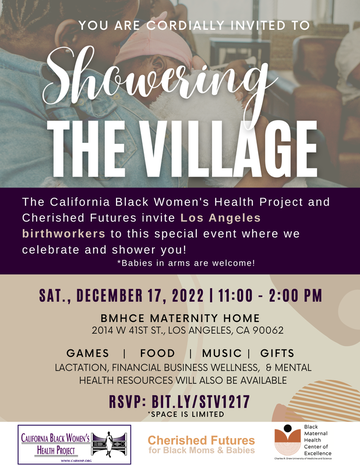
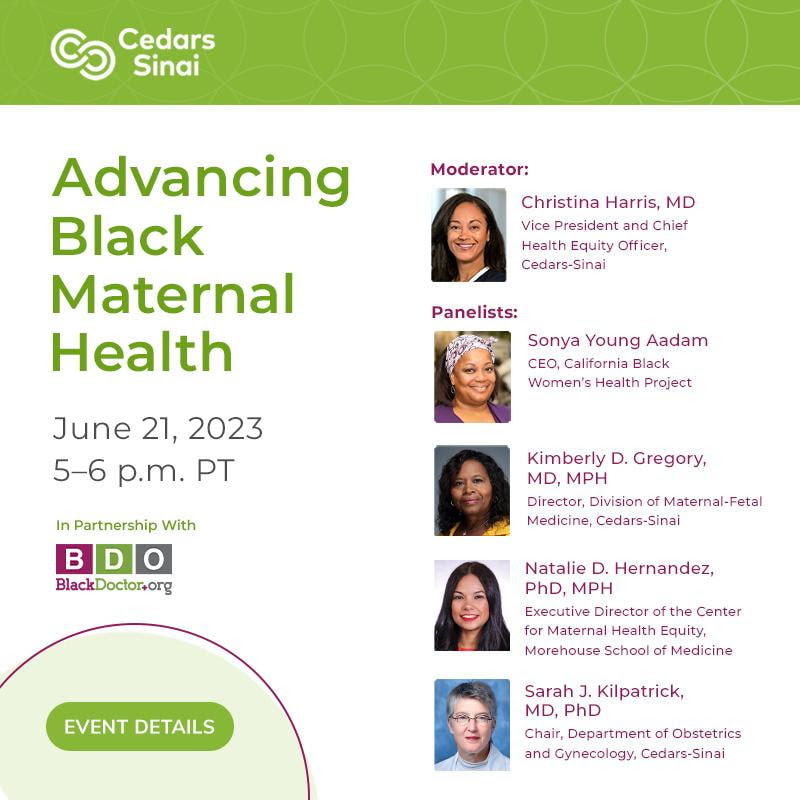
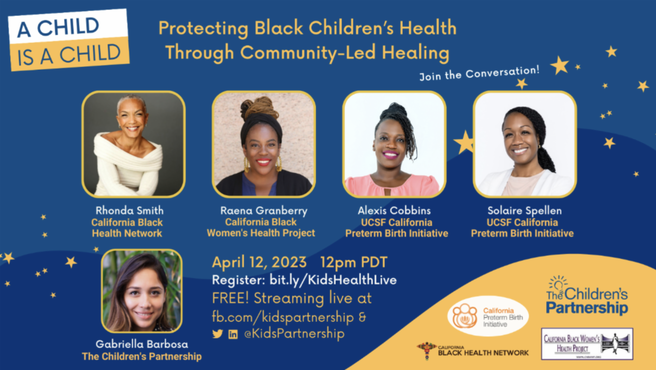
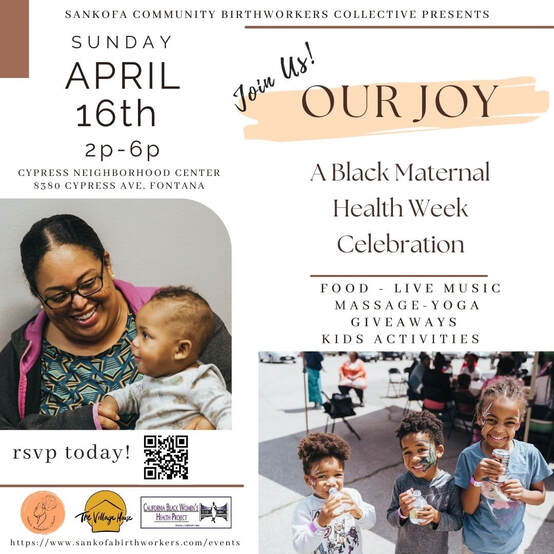
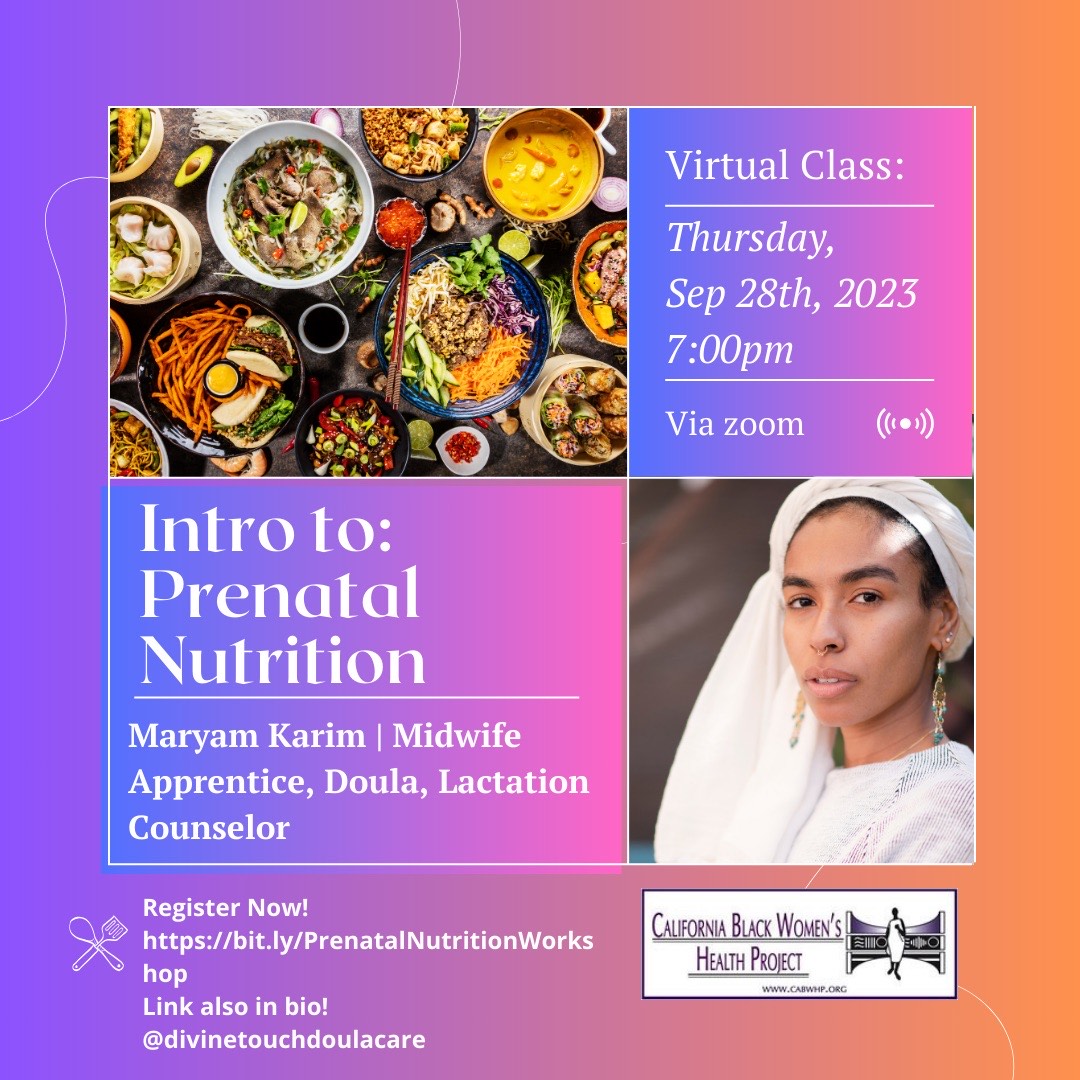
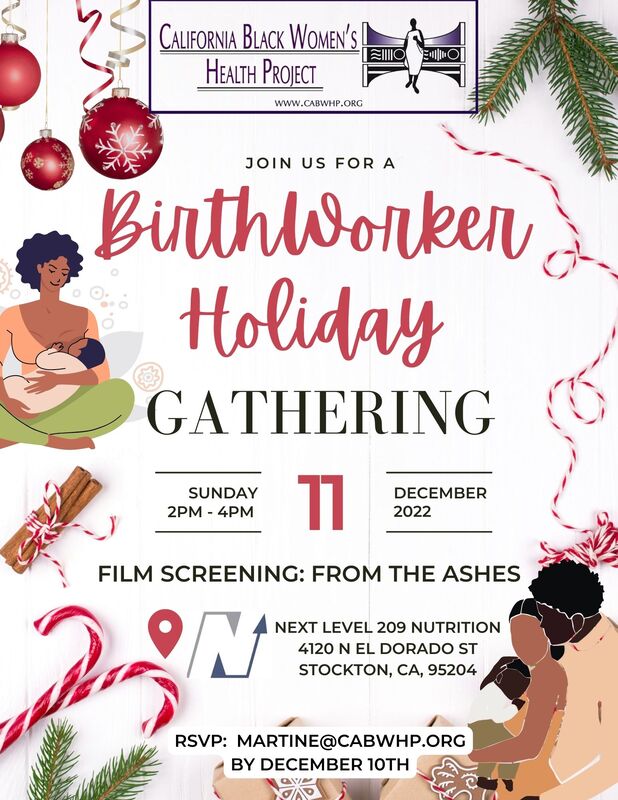
CABWHP hosts educational, empowering, professional and wellness focused events, seminars and trainings to improve the maternal and reproductive health and wellness of Black communities across California.
CABWHP hosts educational, empowering, professional and wellness focused events, seminars and trainings to improve the maternal and reproductive health and wellness of Black communities across California.
UPCOMING EVENTS & CAMPAIGNS
RECENT UPDATES
MORE THAN
INDIVIDUALS RECEIVED MATERNAL & REPRODUCTIVE INFORMATION THROUGH OUTREACH
WE'VE HOSTED MORE THAN
BIRTHWORKER SUPPORT CIRCLES & ENGAGEMENTS

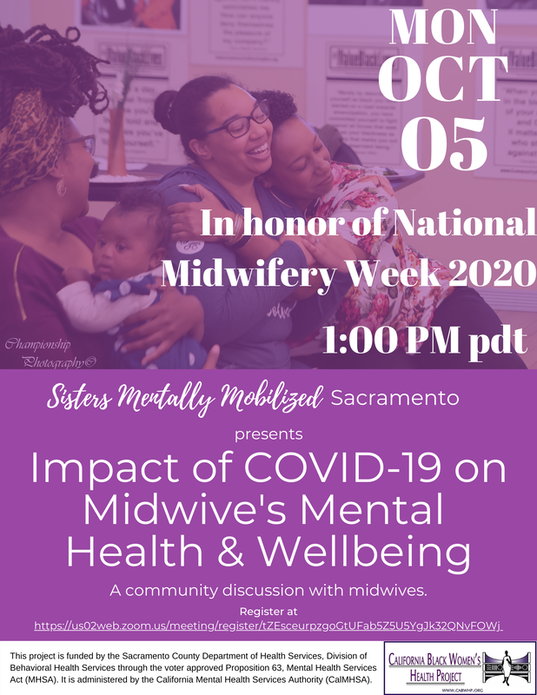
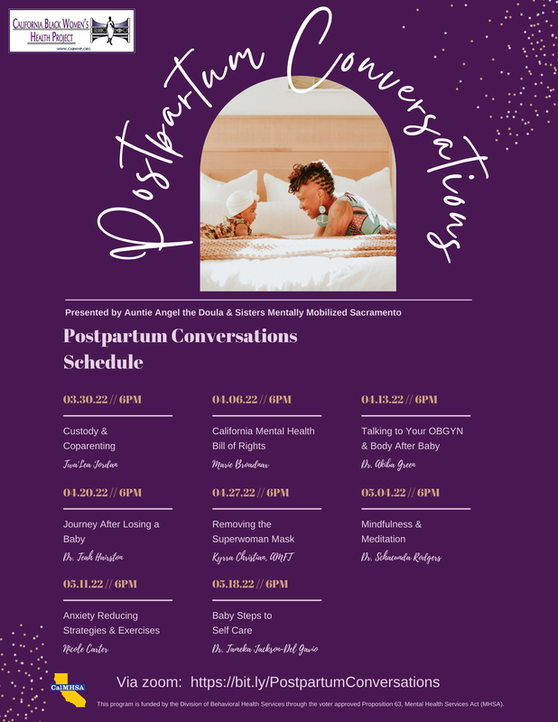
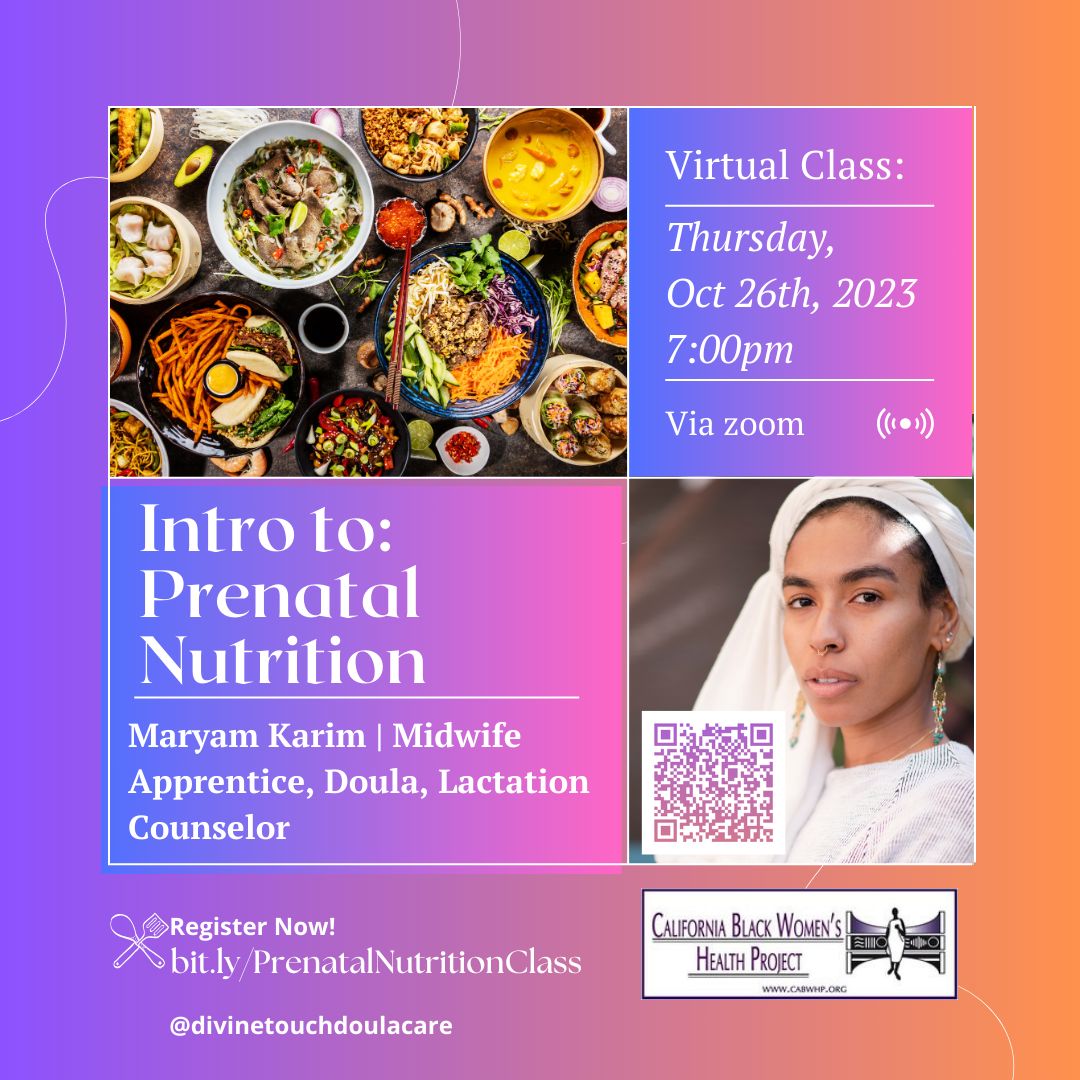
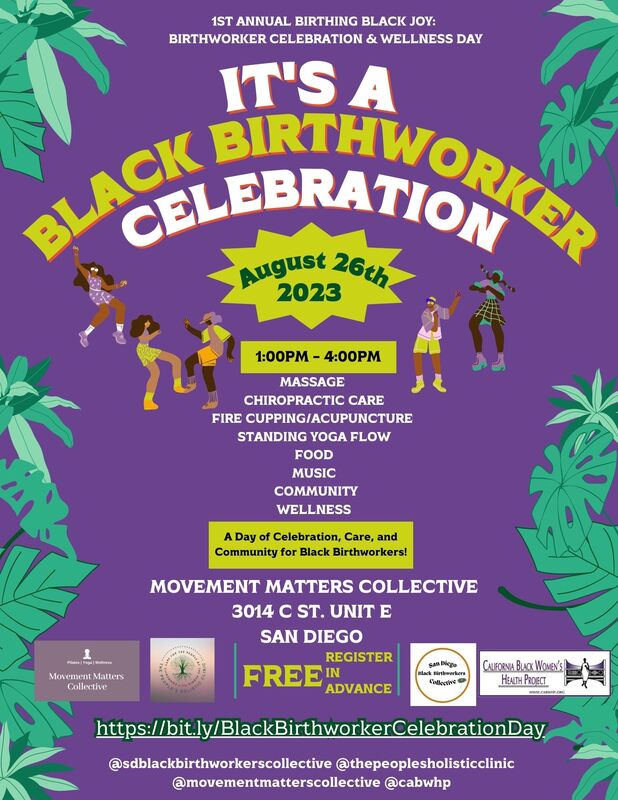


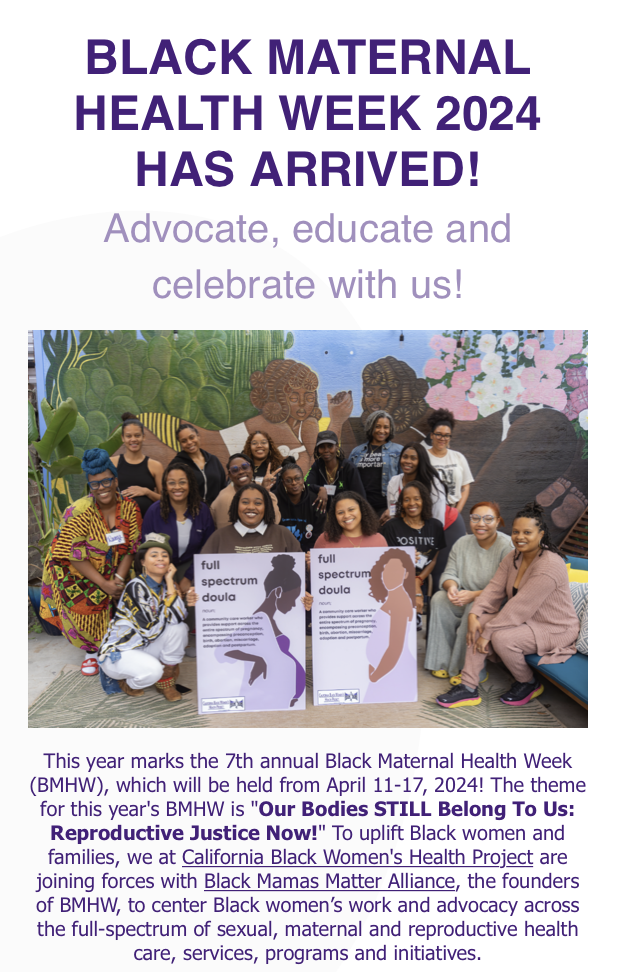
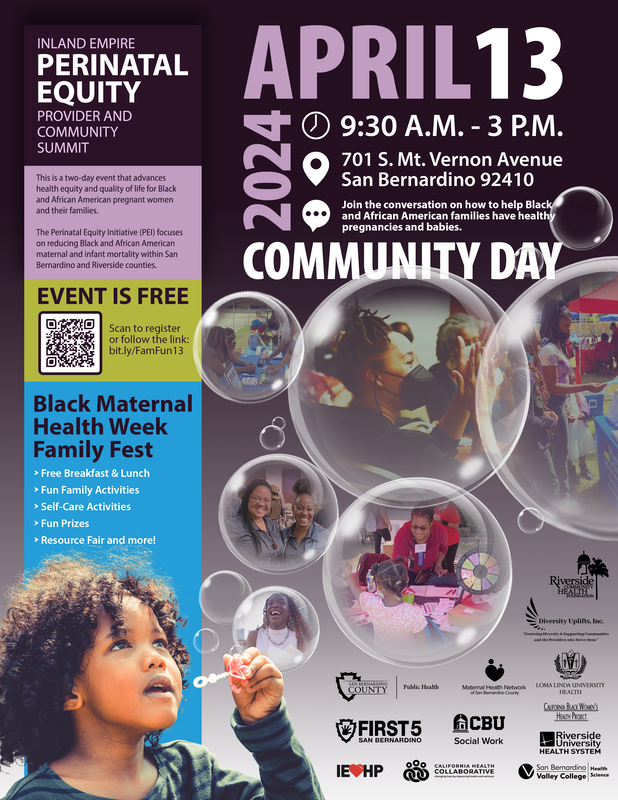
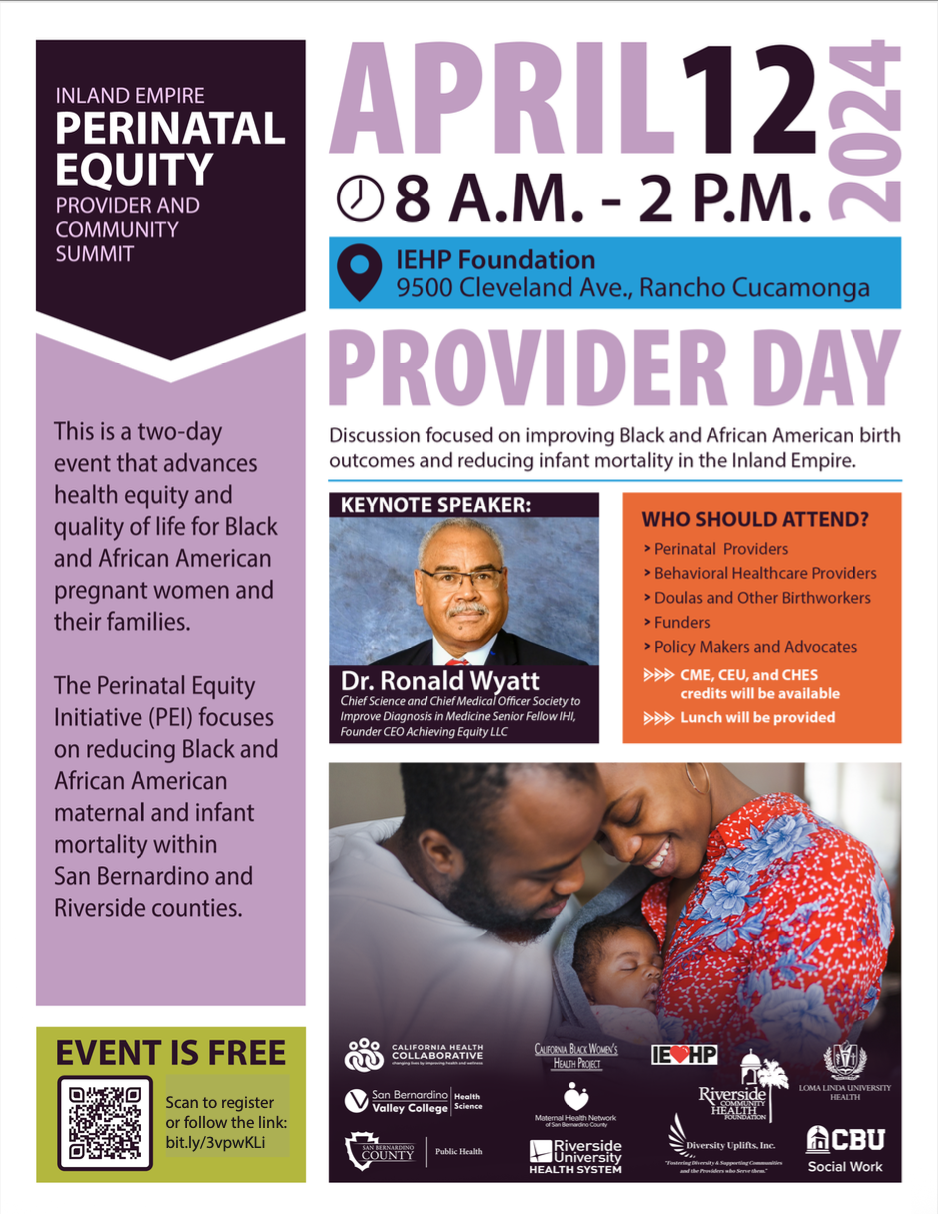
We are providing a platform for Black women to share their personal reproductive health stories, hear and learn from each other and create a new and powerful narrative for policy changes that move the needle toward achieving improved maternal, sexual and reproductive health outcomes for Black women.
If you have received or have supported someone who received abortion care, share your story in our upcoming Our Abortion Stories campaign. This campaign is centering Black women and focused on education, empathy and empowerment!
|
|
|
|
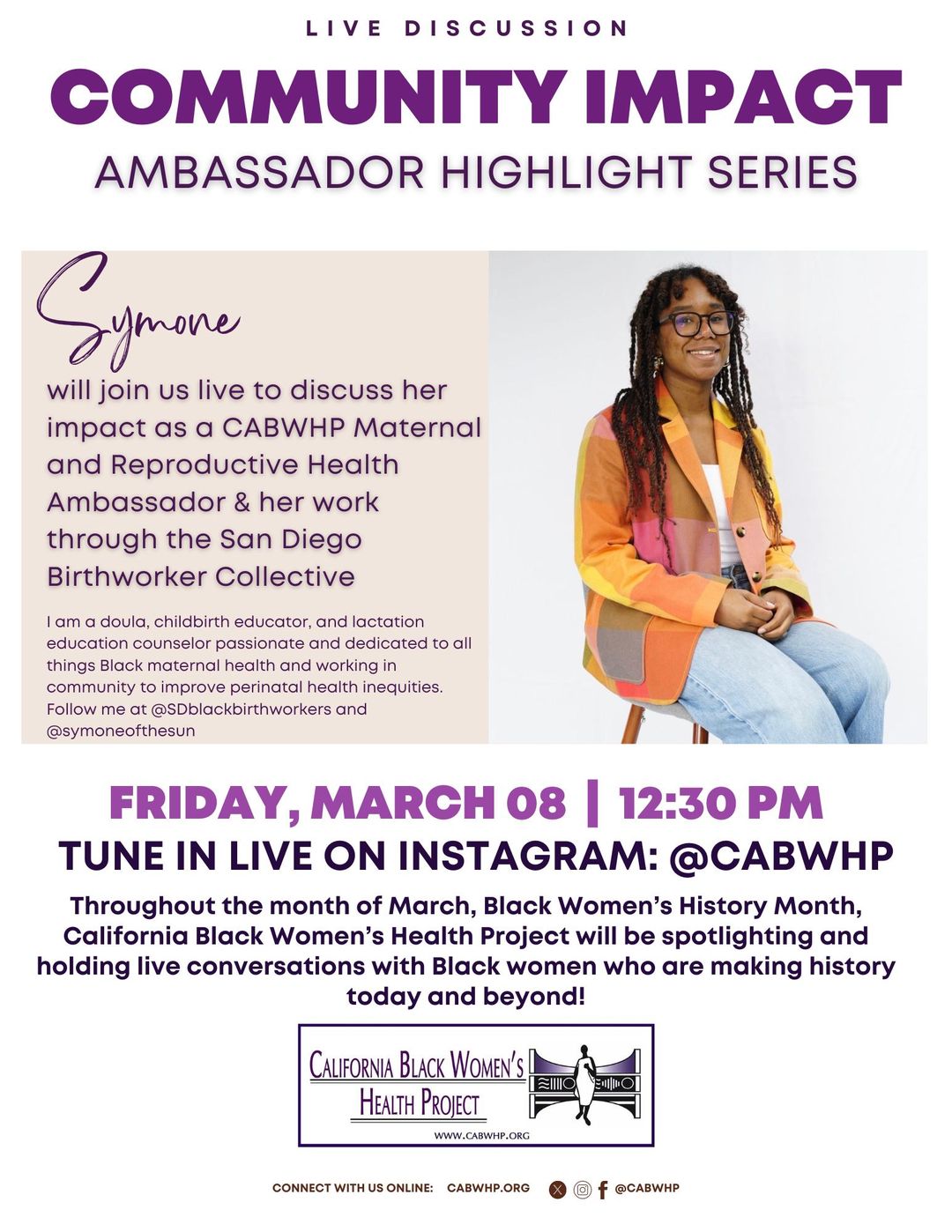
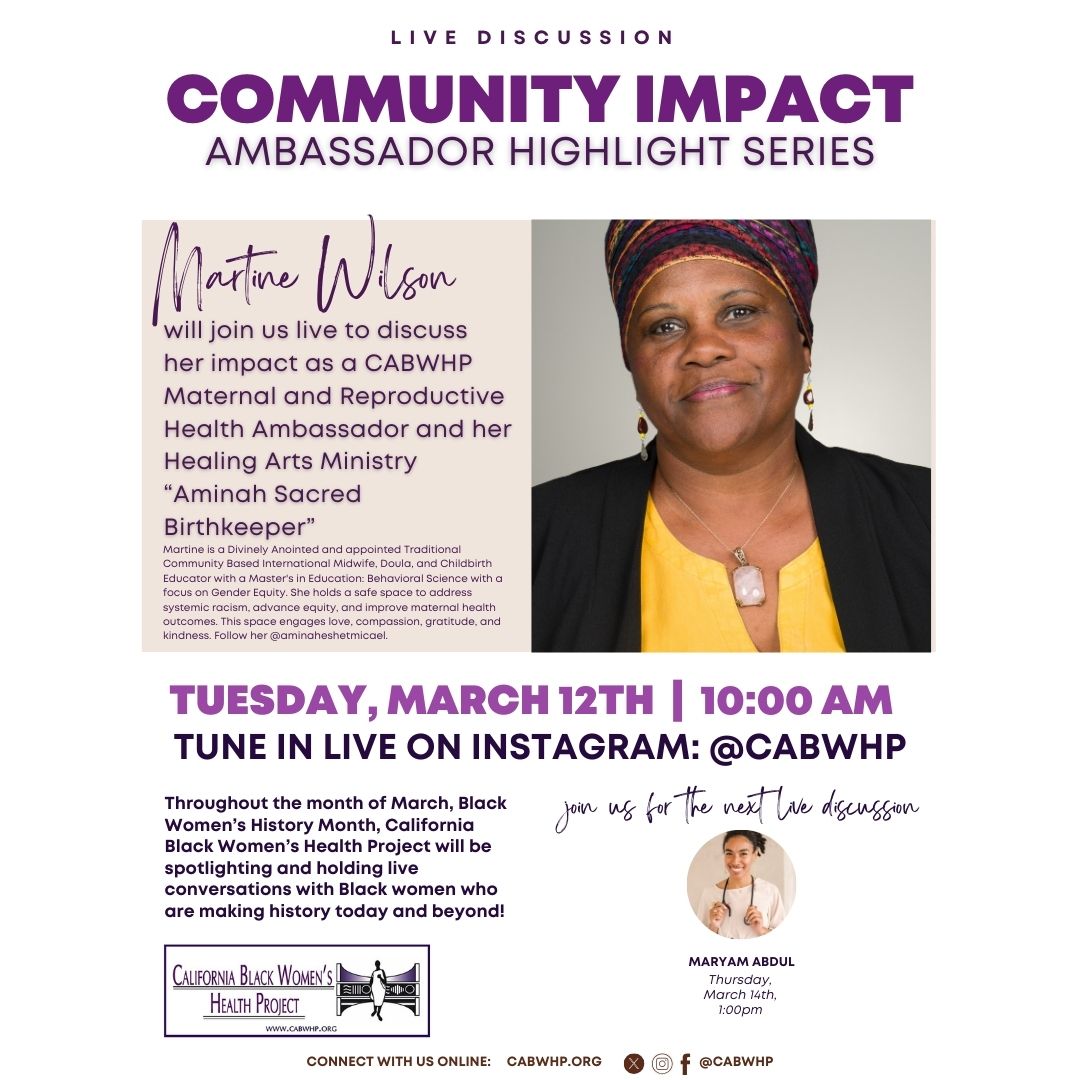
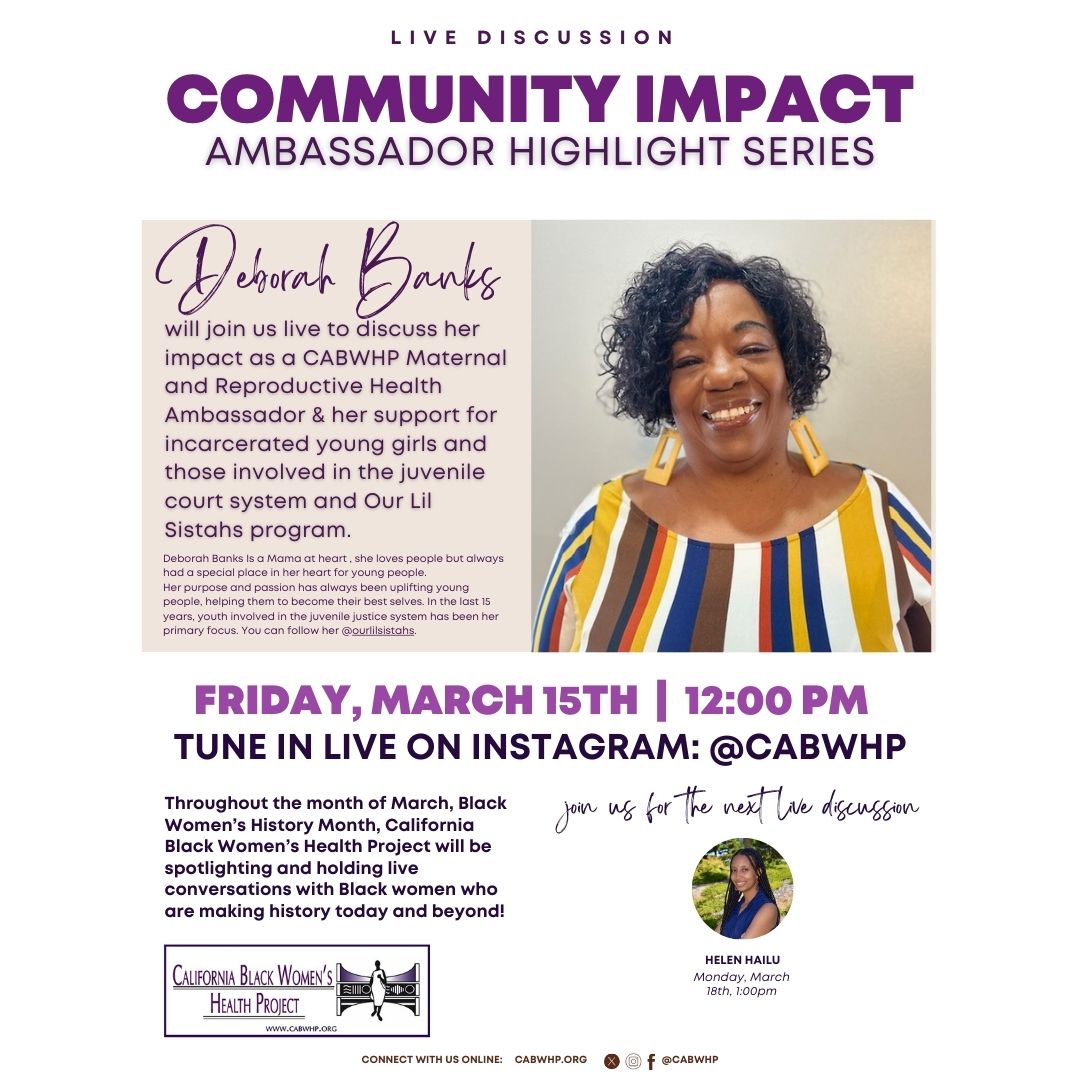
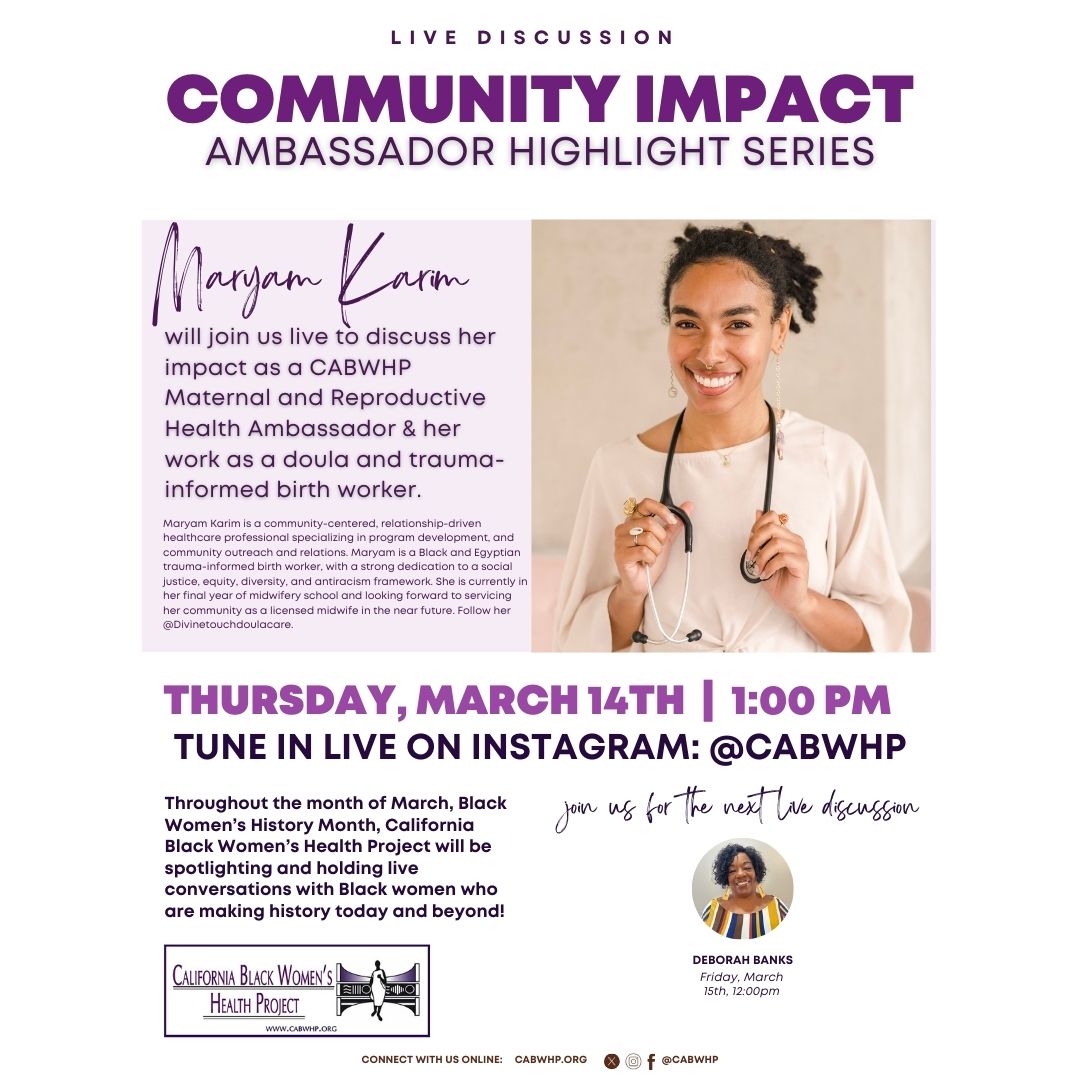
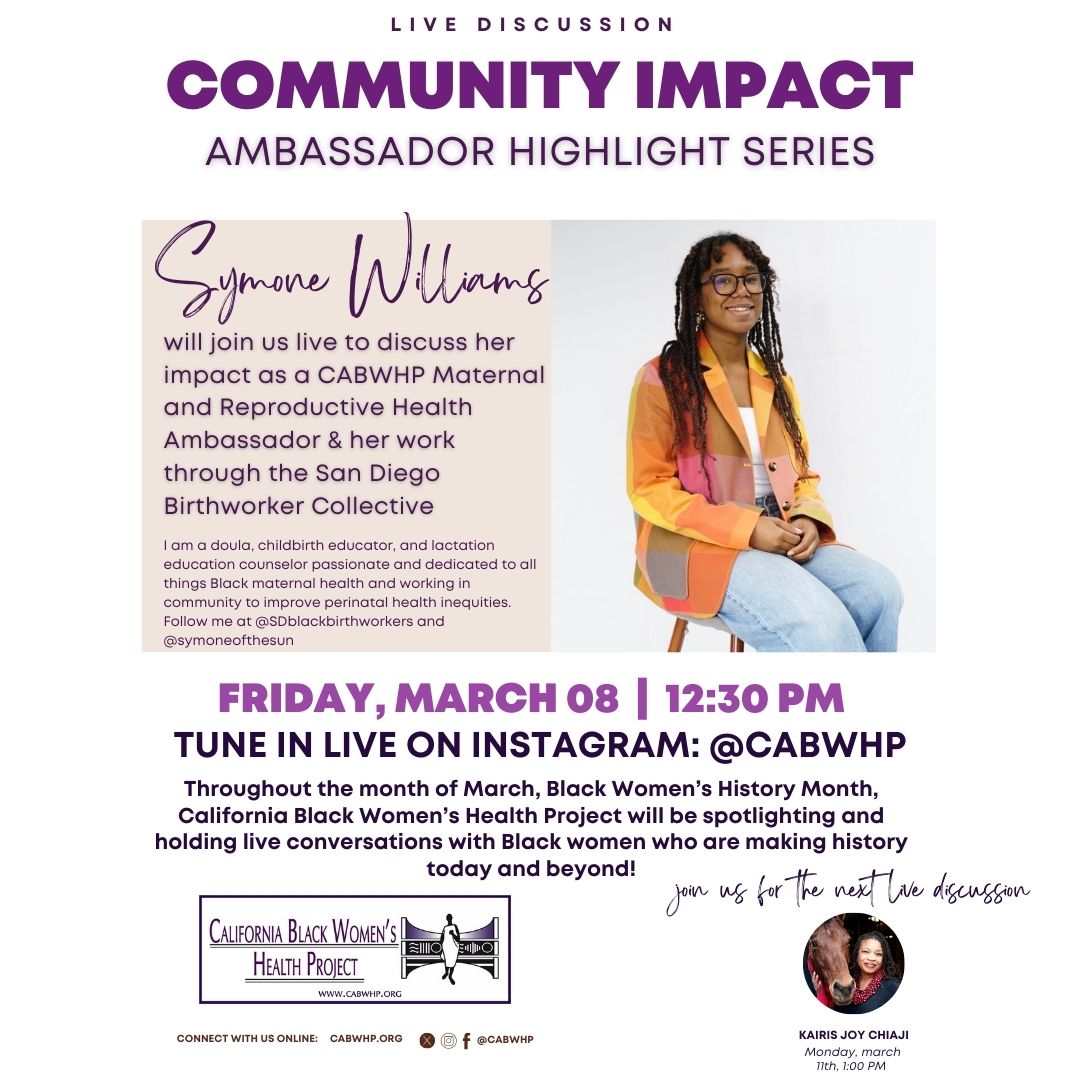
Watch our March 2024 Community Instagram Live: Maternal & Reproductive Health Ambassador Highlight Series
|
|
|
RESOURCES
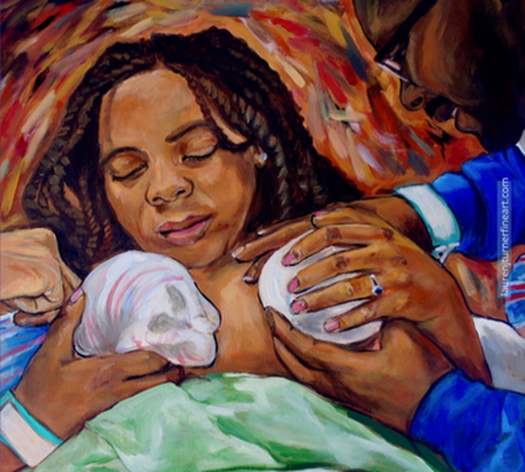
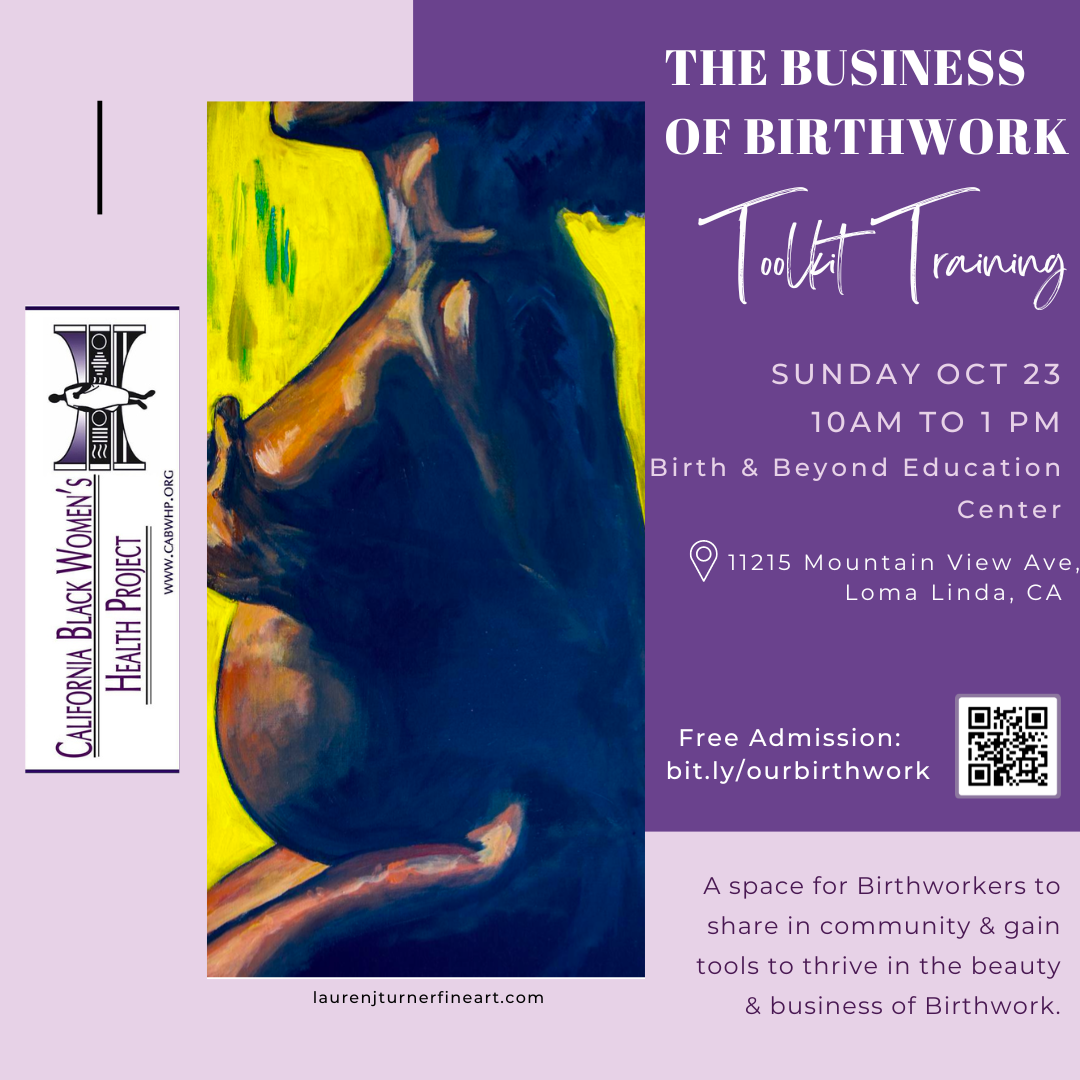
Birthworker Toolkit
Our business toolkit is designed to empower and support Black Birthworkers - midwives, doulas, maternal mental health peer specialists, lactation consultants, birth educators, and breastfeeding counselors engaged in maternal/reproductive justice work. We strive to uplift and strengthen the capacity and impact of the Black Birthworkers community via our Sister Circle model of engagement, capacity-building tools, & collaboration.
We seek your support in sharing this Toolkit with your Black Birthworkers friends, colleagues, and networks! Black Birthworkers are on the frontline in supporting Black maternal and infant health and the lifeblood for creating positive birth outcomes for Black mamas, babies, and families.
Our business toolkit is designed to empower and support Black Birthworkers - midwives, doulas, maternal mental health peer specialists, lactation consultants, birth educators, and breastfeeding counselors engaged in maternal/reproductive justice work. We strive to uplift and strengthen the capacity and impact of the Black Birthworkers community via our Sister Circle model of engagement, capacity-building tools, & collaboration.
We seek your support in sharing this Toolkit with your Black Birthworkers friends, colleagues, and networks! Black Birthworkers are on the frontline in supporting Black maternal and infant health and the lifeblood for creating positive birth outcomes for Black mamas, babies, and families.
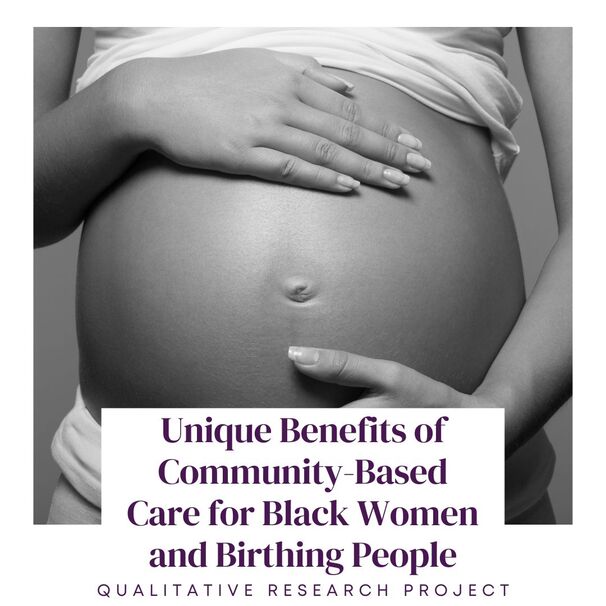
We partnered with the University of Southern California to produce a qualitative research project designed to discover the "Unique Benefits of Community-Based Care for Black Women and Birthing People"
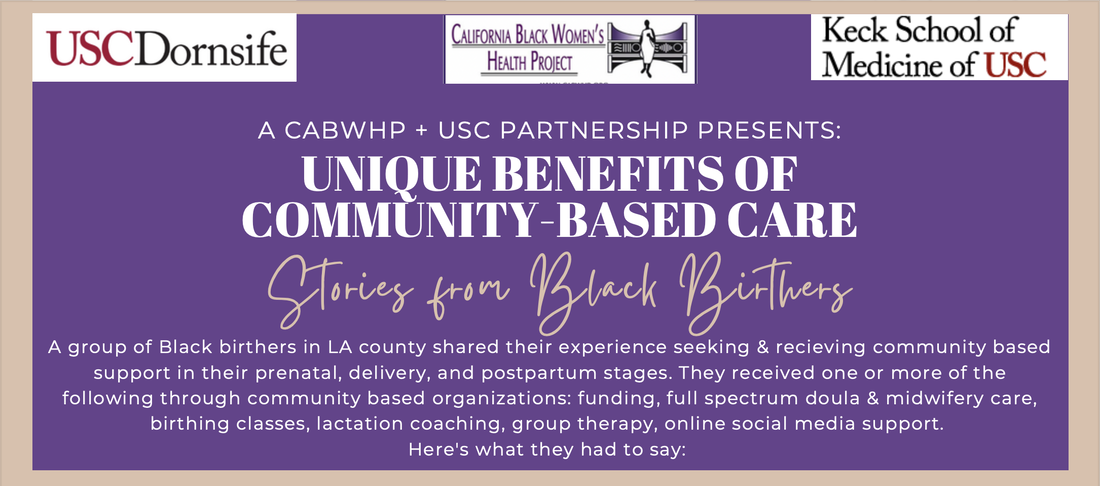
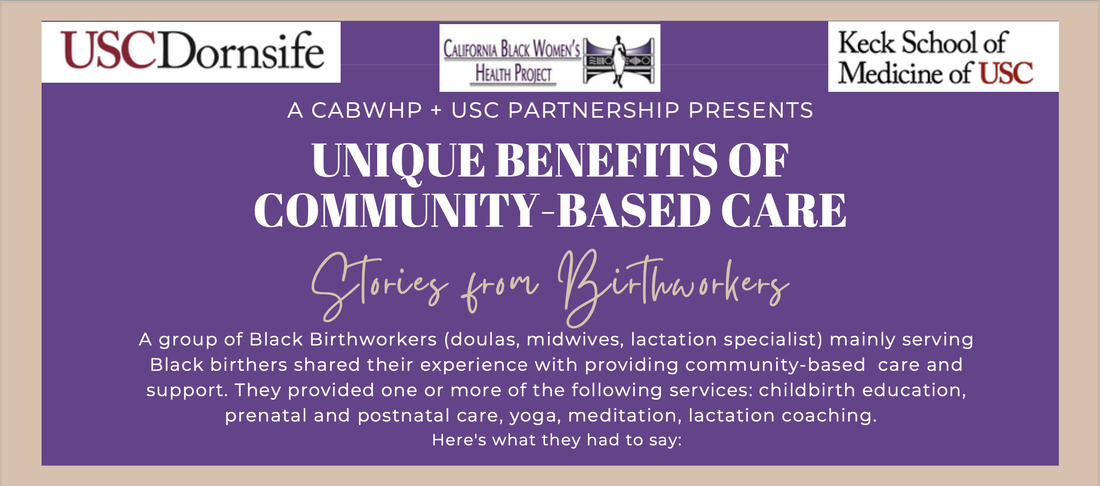
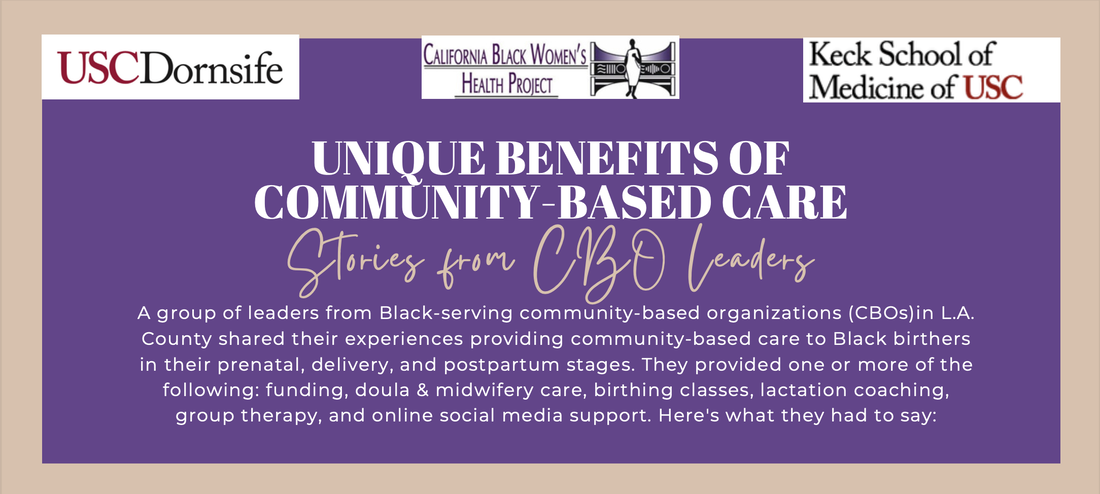
Abstract: Black women and birthing people, including, transgender men, non-binary individuals, and individuals with uteruses, fare the worst in pregnancy and birthing outcomes compared to all other ethnic/racial groups, as revealed through Los Angeles (LA) Public Health Department data within the last 8 years. These disparities disproportionality affect Black women and birthing people and reveal shortcomings in current health systems; however, there are various Black-run community-based organizations established in Los Angeles working to address these inequities. This community-based participatory research project in collaboration with California Black Women’s Health Project (CABWHP) investigated the unique benefits of Black-led non-clinical, community-based technical and social support for Black women and birthing people in LA county according to Black women and birthing people themselves, Black birthworkers, and Black leaders of community-based organizations (CBOs). Data was collected from 21 participants (5 CBO leaders, 5 birthworkers, and 11 birthers) in interview and online Qualtrics survey form; we then extracted key quotes from the data and did frequency tables to find trends and common phrases/ideas. This paper will outline existing research, methods, results in both quantitative and qualitative form, discussion, and implications for furthering community involvement.
Abstract: Black women and birthing people, including, transgender men, non-binary individuals, and individuals with uteruses, fare the worst in pregnancy and birthing outcomes compared to all other ethnic/racial groups, as revealed through Los Angeles (LA) Public Health Department data within the last 8 years. These disparities disproportionality affect Black women and birthing people and reveal shortcomings in current health systems; however, there are various Black-run community-based organizations established in Los Angeles working to address these inequities. This community-based participatory research project in collaboration with California Black Women’s Health Project (CABWHP) investigated the unique benefits of Black-led non-clinical, community-based technical and social support for Black women and birthing people in LA county according to Black women and birthing people themselves, Black birthworkers, and Black leaders of community-based organizations (CBOs). Data was collected from 21 participants (5 CBO leaders, 5 birthworkers, and 11 birthers) in interview and online Qualtrics survey form; we then extracted key quotes from the data and did frequency tables to find trends and common phrases/ideas. This paper will outline existing research, methods, results in both quantitative and qualitative form, discussion, and implications for furthering community involvement.
|
|
|
|
|

|

|
|
|
|
For additional resources visit cabwhp.org/resources and cabwhp.org/education
RECENT MEDIA
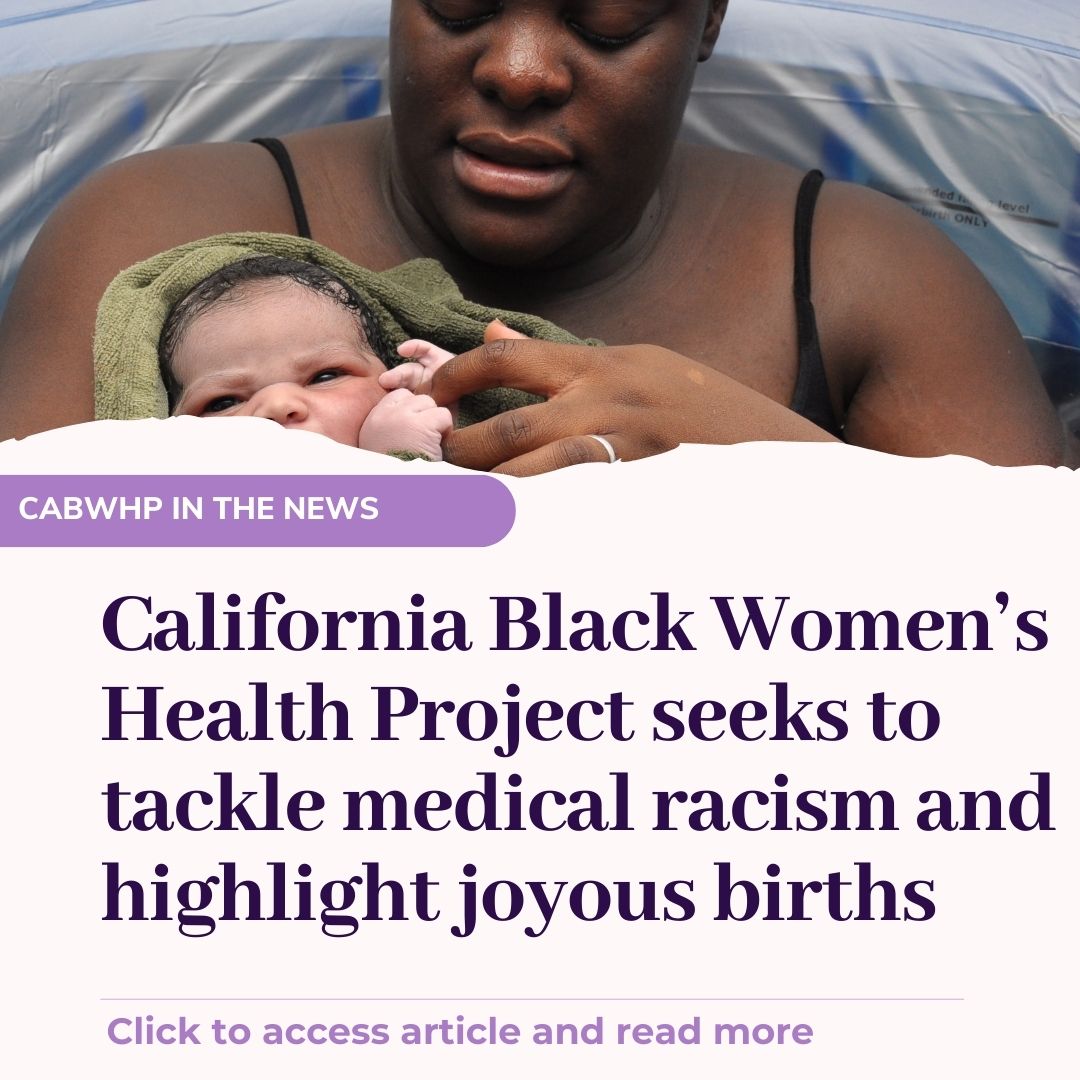
Raena Granberry, senior manager of Maternal and Reproductive Health for CABWHP, spoke with State of Reform about the work the organization is doing, and how racism plays a role in the experiences of Black birthing people.
Access the article. |
When speaking about the devastating maternal health outcomes for Black families and the closing of Centinela Hospital's maternity ward in Inglewood Raena Granberry, our Director of Maternal and Reproductive Health, highlighted the importance and impact of Birthworkers. Watch.
|
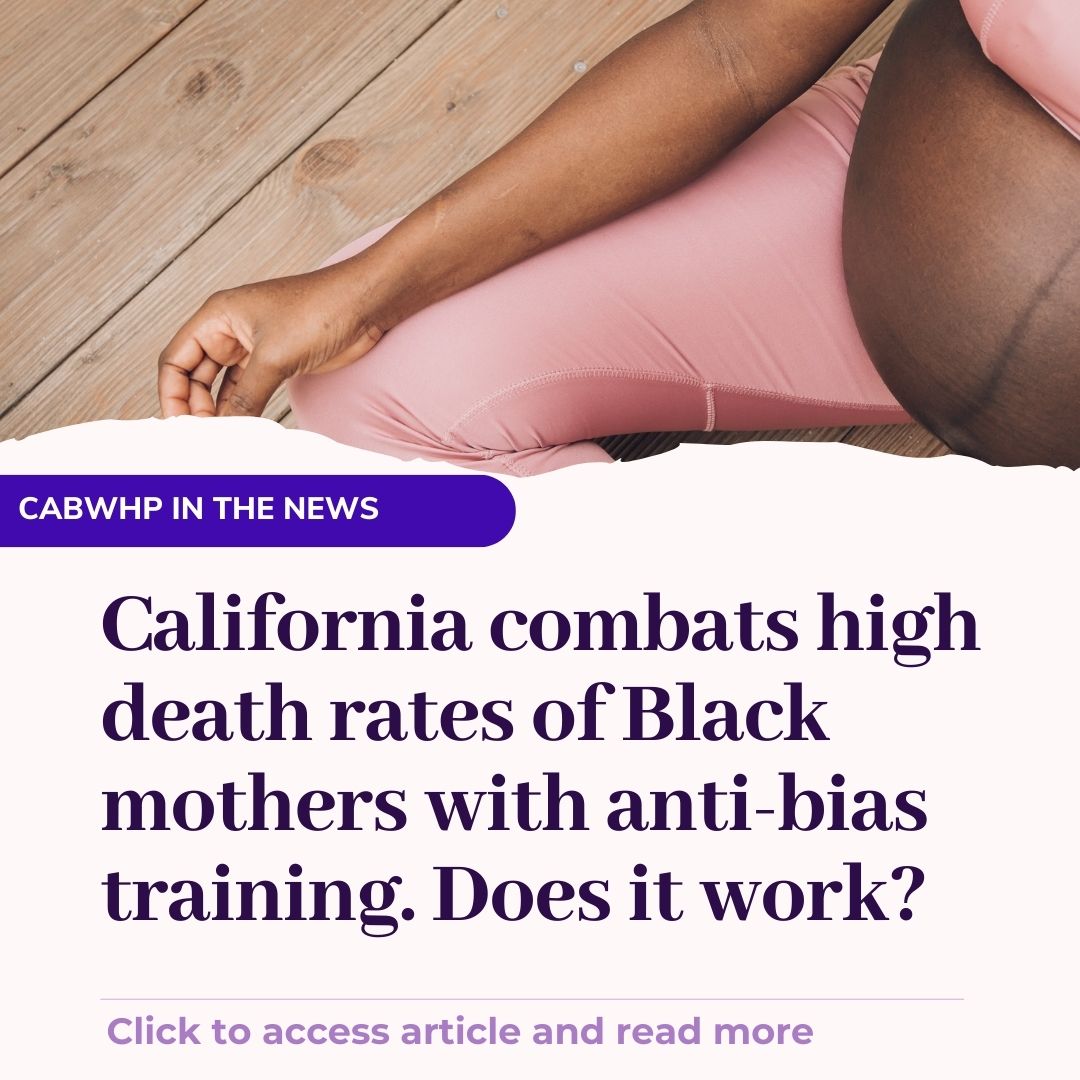
California Black Women's Health Project is highlighted as an organization standing in the gap to address implicit biases which contribute to the alarmingly high rates of death in childbirth for Black women.
Access the article. |
GET INVOLVED
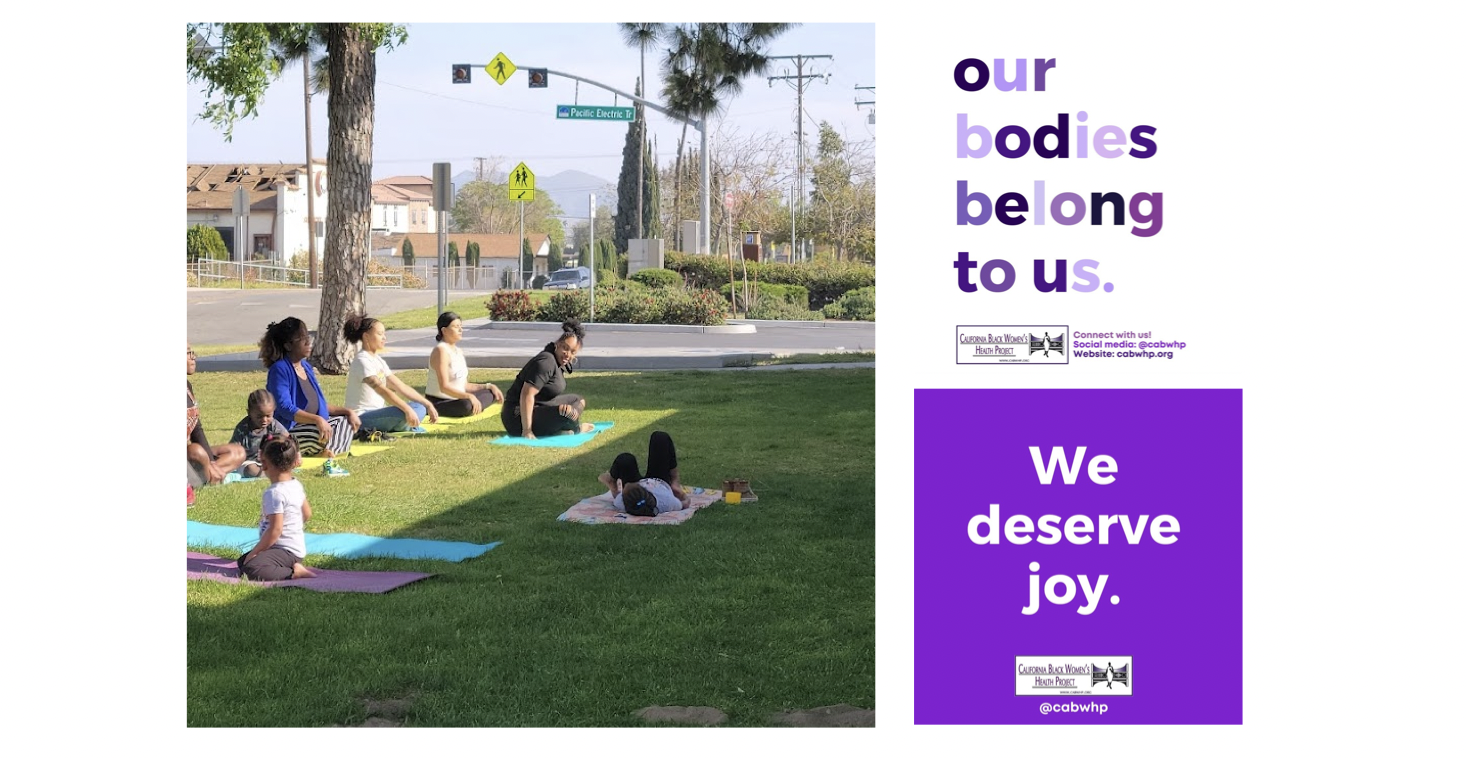
Ways to support our maternal and reproductive health work, mission and vision:
- Donate: Your generous donations directly contribute to our programs and initiatives aimed at supporting our community's reproductive and maternal health needs. Every contribution helps us provide essential resources, advocacy and community-building efforts.
- Partner: Partnering with us amplifies the impact of our work. Collaborate with us to create tailored initiatives, events or campaigns that address the unique needs of Black women and families.
- Volunteer: Join our dedicated team of volunteers and actively participate in the mission to enhance the maternal and reproductive well-being of Black women and birthing families. Your time, skills and passion can make a meaningful difference in the lives of those we serve.
- Sponsor an event: Become a sponsor and align your brand with our commitment to achieving maternal health equity and reproductive justice. Sponsorship opportunities provide visibility, engagement and the chance to be part of a vital movement promoting well-being and empowerment.
- Help spread awareness: Connect with us on social media to help amplify our work. Engage with us and share content to help build awareness and drive change.
- Share your story: If you have received or have supported someone who received abortion care, share your story in our upcoming Our Abortion Stories campaign. This campaign is centering Black women and focused on education, empathy and empowerment!